menu
menu
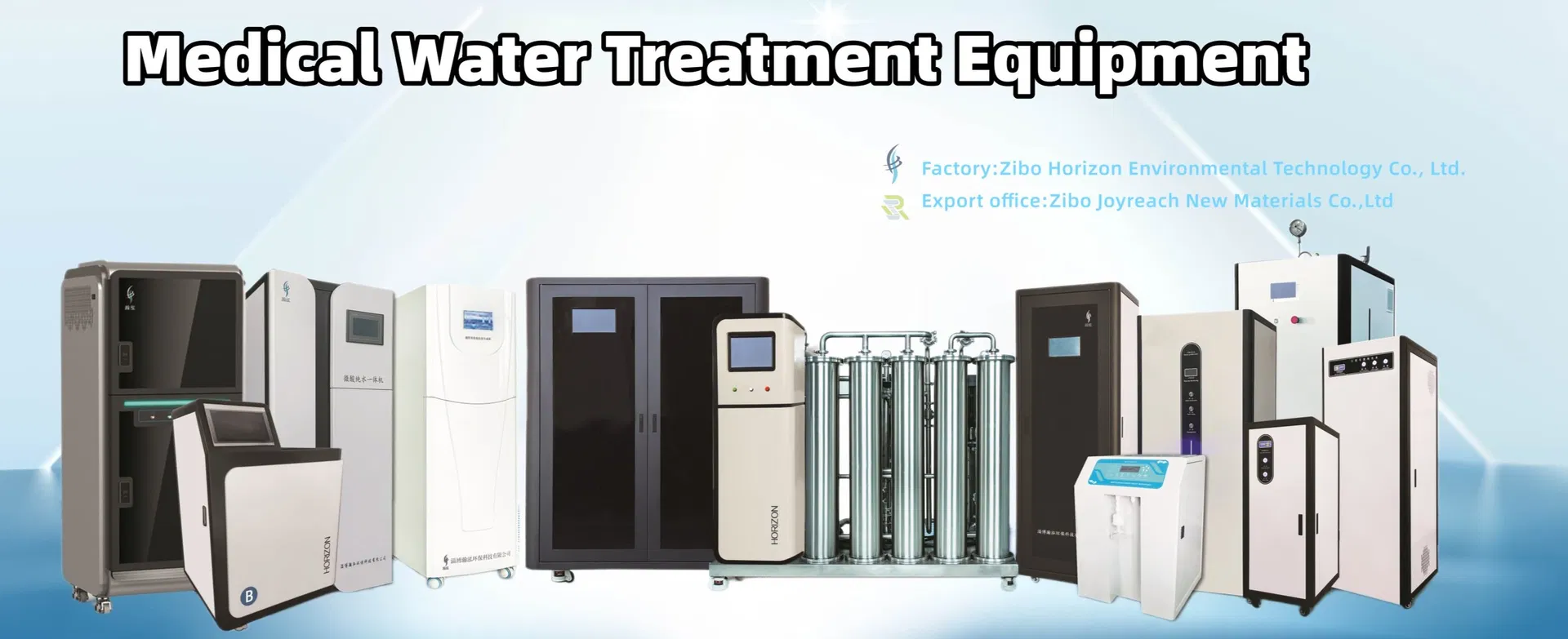
Zibo Horizon Environmental Technology Co., Ltd.
(export office: Zibo Joyreach New Materials Co., Ltd.) is a high-tech enterprise dedicated to the R&D, design, production, sales, and service of medical water treatment equipment. Since our founding in 2012, we have specialized in comprehensive water solutions for hospitals and laboratories, covering CSSD integrated water treatment, pharmaceutical purified and sterile water, operating room sterile water, dental water systems, laboratory animal drinking water.
1. Integrated Design – Solving Key Problems
The system combines water production and water supply into one unit, solving common issues like unstable water quality, bacterial growth in pipes, lack of monitoring, and poor disinfection. It provides integrated control over production, supply, bacteriostasis, and disinfection to ensure safe and stable drinking water.
2. Stable Water Quality with Auto pH Adjustment
The system maintains consistent water quality and features automatic pH balancing to keep the water at the right acidity/alkalinity level for different lab animals, preventing health issues caused by water quality changes.
3. Multiple Disinfection Measures – No Microbial Contamination
With chlorination, high/low swirl flow, and automatic disinfection, the system thoroughly inhibits microbial growth in both the supply lines and drinking water. This effectively reduces bacteria counts, ensures sterility, and eliminates contamination risks at the source.
4. Three-Stage Pretreatment – Protects Key Components
The three-stage pretreatment removes particles, suspended solids, colloids, silica, hardness, bacteria, and other impurities. It significantly lowers the Silt Density Index (SDI) and water hardness, protects the RO membrane from fouling, reduces cleaning frequency, and extends membrane life.
Product Description
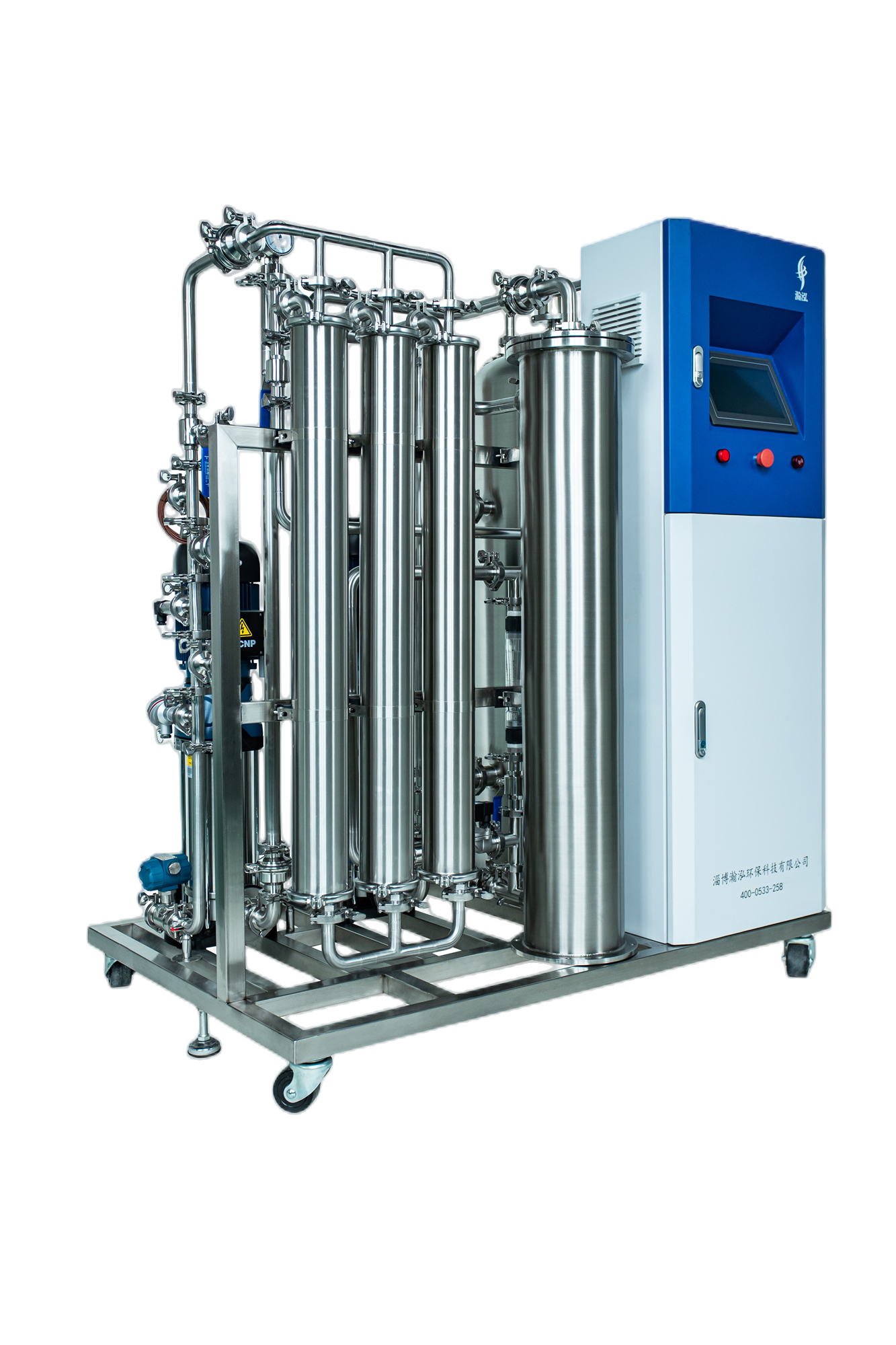
HHRO Pure Water Treatment
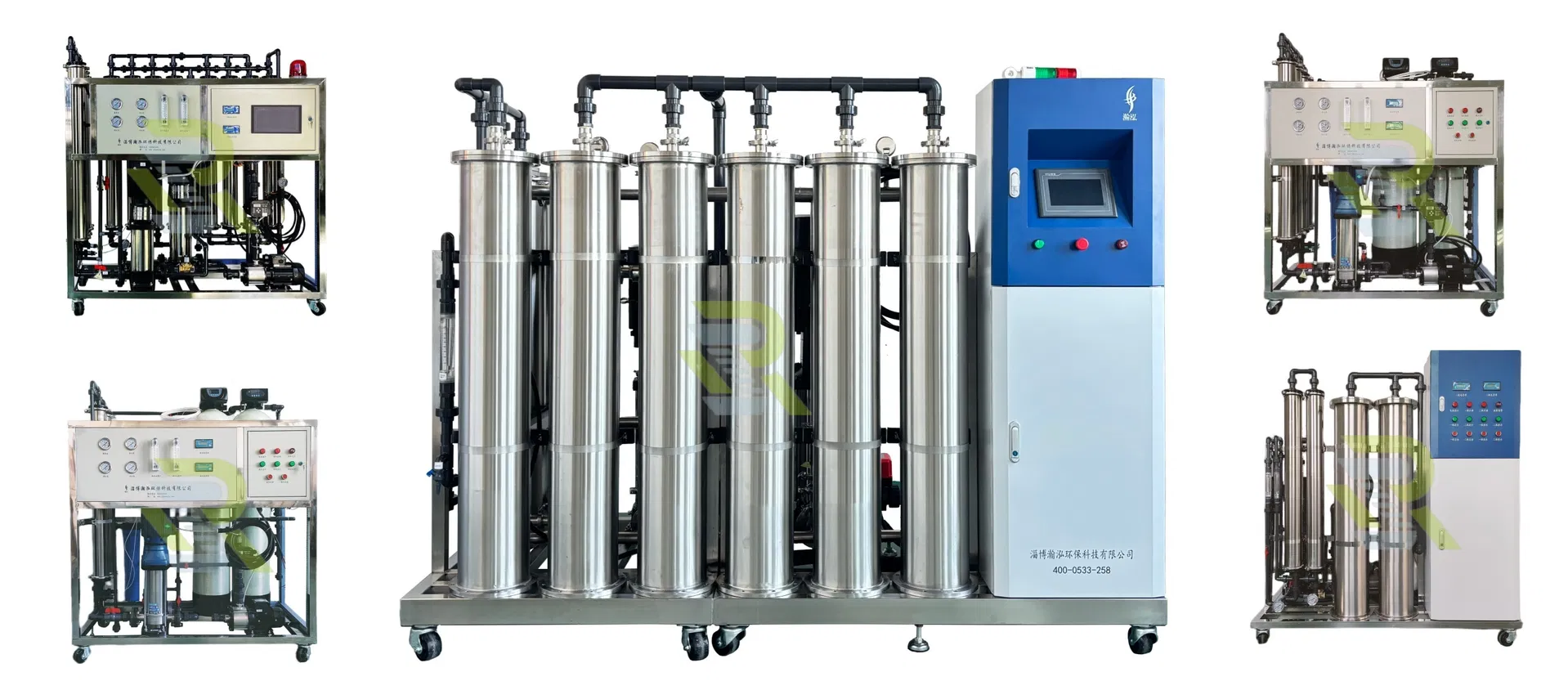
Technology process:
Raw Water Pump → Quartz Sand Filter → Activated Carbon Filter → Water Softener→ Security Filter → 1st Stage High-Pressure Pump → 1st Stage RO System→ 2nd Stage High-Pressure Pump → 2nd Stage RO System → UV Sterilizer→ Pure Water(if needed → EDI Ultrapure Water System → Ultrapure Water).
*Note: The flowchart can be customized based on specific application requirements and source water conditions.
*The treatment process can be customized to meet specific client requirements and source water conditions.